We shifted focus to a different theme each month: reducing food waste on set, building effective communication around sustainability, planning for materials reuse, and ways to go paperless in the production office. Thank you to the DGC Green Ontario committee for providing the ideas to create these tips! As April comes to a close, we’re looking back at all four weeks of DGC Green Ontario tips to take beyond Earth Month into a greener future.
Week 1: Reduce Food Waste in the Film & TV Industry

Step 1: Implement organic waste systems, including in-office collection, training, and disposal services, in offices and at lunch.
Step 2: Avoid single-use plastics and make sure all recyclable items are placed in the right bin.
Step 3: Avoid prepackaged foods and plan ahead to accommodate alternative packaging, like serving coffee in mugs rather than disposable cups.
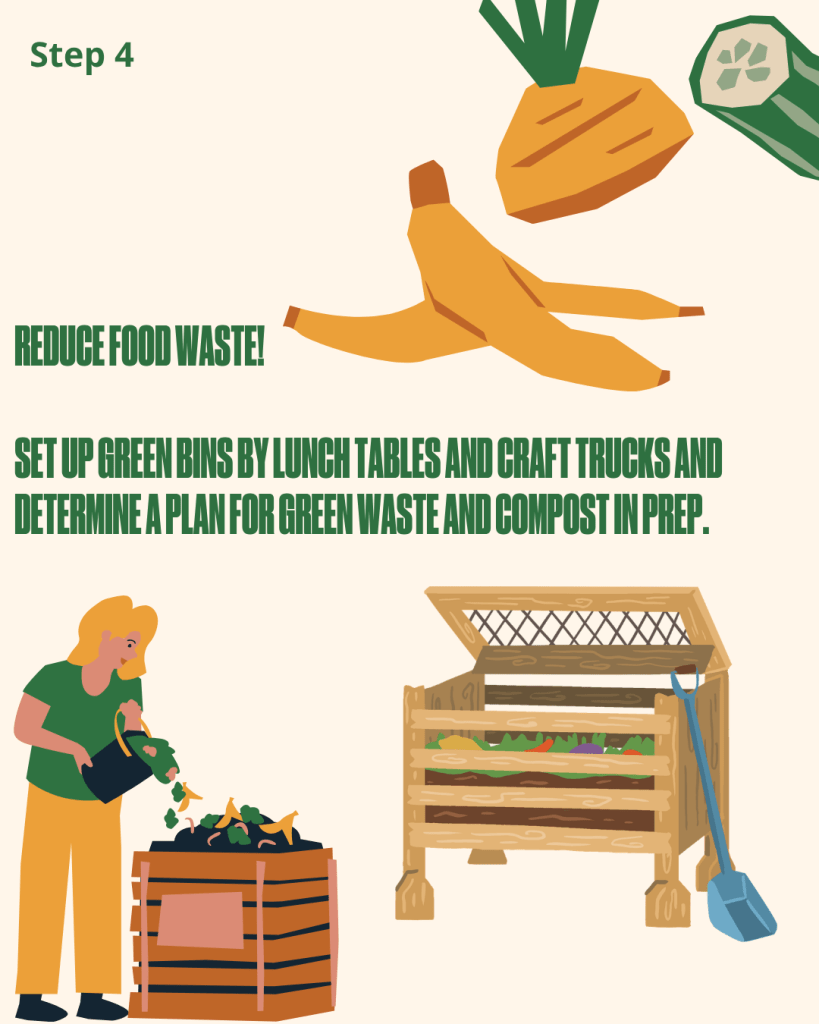
Step 4: Reduce food waste! Set up green bins by lunch tables and craft trucks, and determine a plan for green waste and compost in prep.
Week 2: Communication, Community, and Sustainability



Step 1: Include a quick sustainability reminder in every daily safety meeting
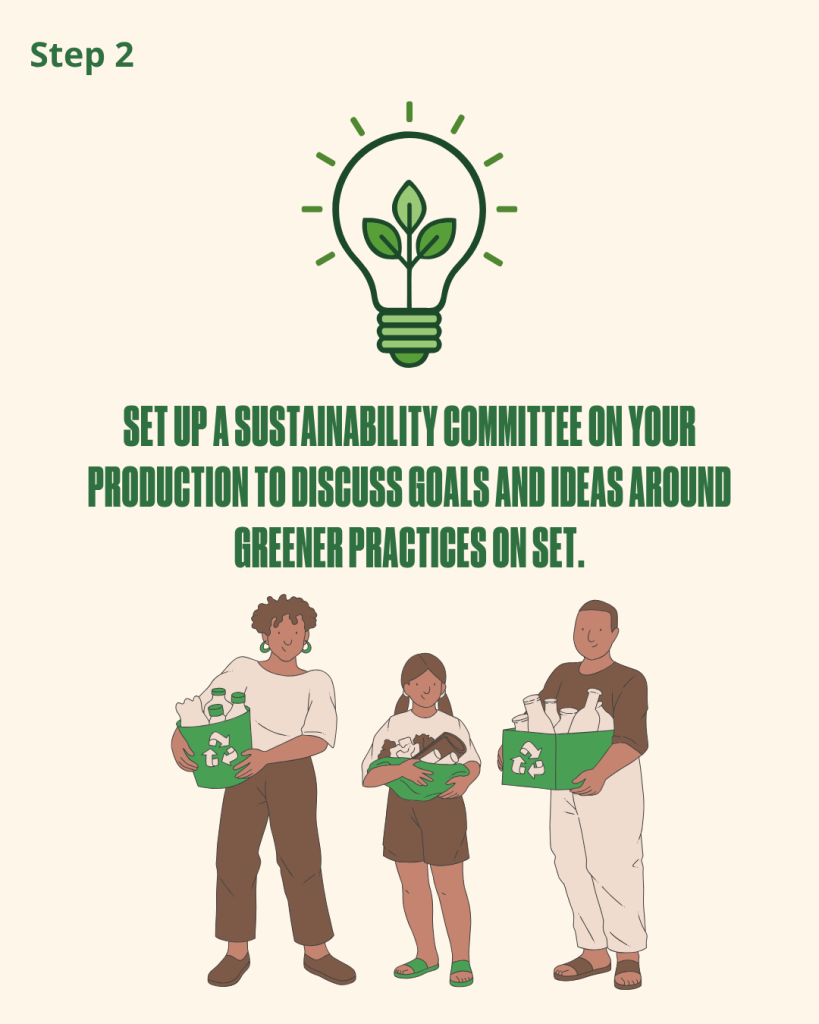
Step 2: Create a crew green committee to lead and support sustainable practices on set
Step 3: Use picture-based signs and labels on bins, compost stations, and leftover cups
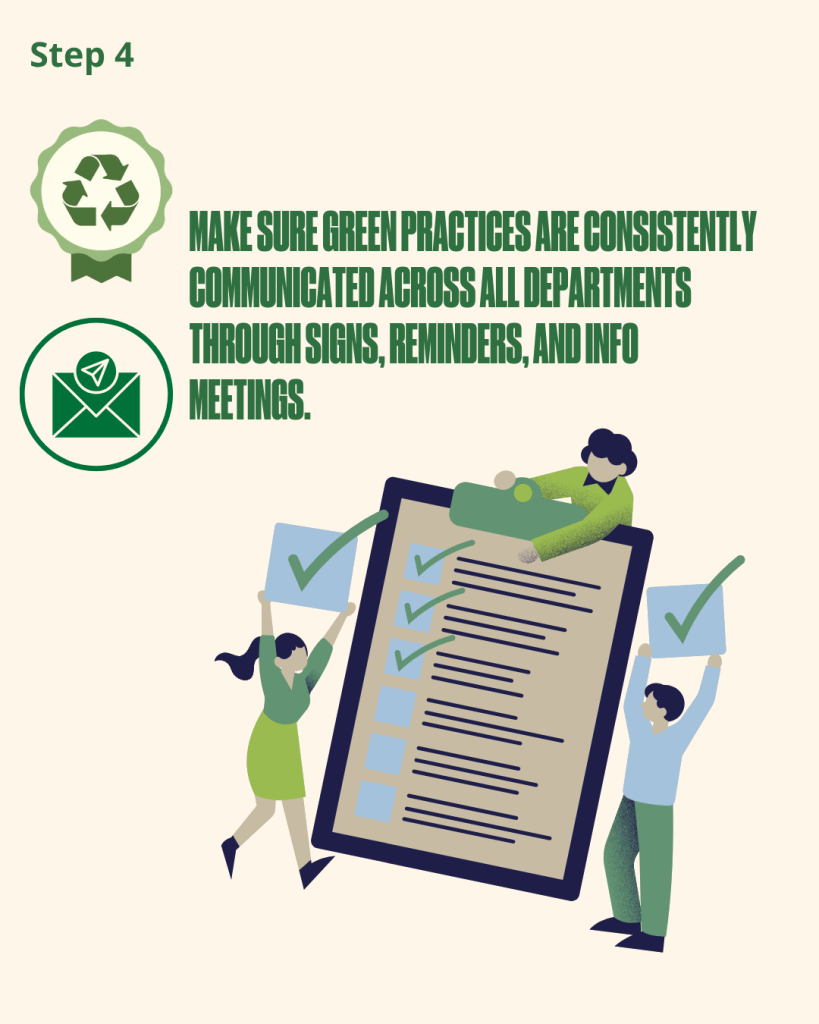
Step 4: Make sure green practices are consistently communicated across all departments through signs, reminders, and info meetings
Step 5: Reach out to outside vendors like food banks for help redistributing or recycling leftover items
Week 3: Reuse Planning: from Prep to Wrap




Step 1: Build an exit plan for materials, furniture, and set pieces at the start of prep.
Step 2: Start talking early in the production process about reuse goals.
Step 3: Choose materials with their full lifecycle in mind, from sourcing to wrap.
Step 4: Post items early and extend the search window to find buyers, donation partners, or reuse options.
Step 5: Make sustainability easier by setting aside time and resources for reuse and waste diversion.
Week 4: Going Paperless in Production

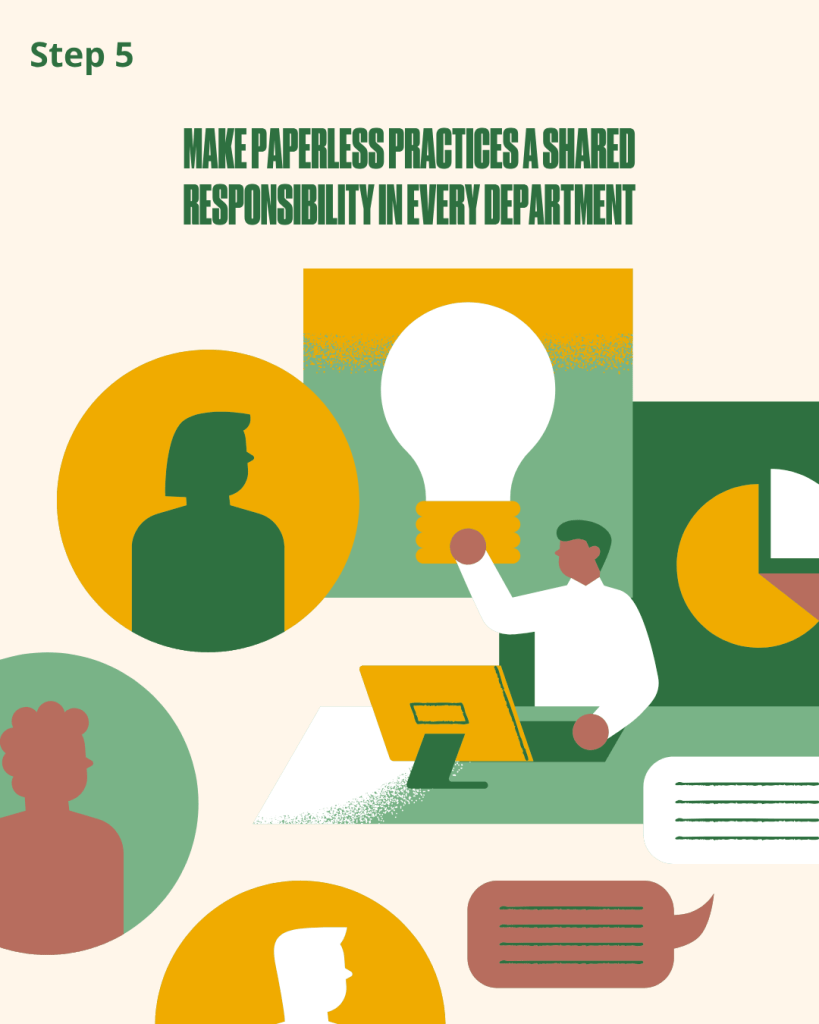
Step 1: Make paperless practices a shared responsibility in every department
Step 2: Use digital timesheets, pay stubs, and more when possible
Step 3: Avoid printing any invoices or reports that may change
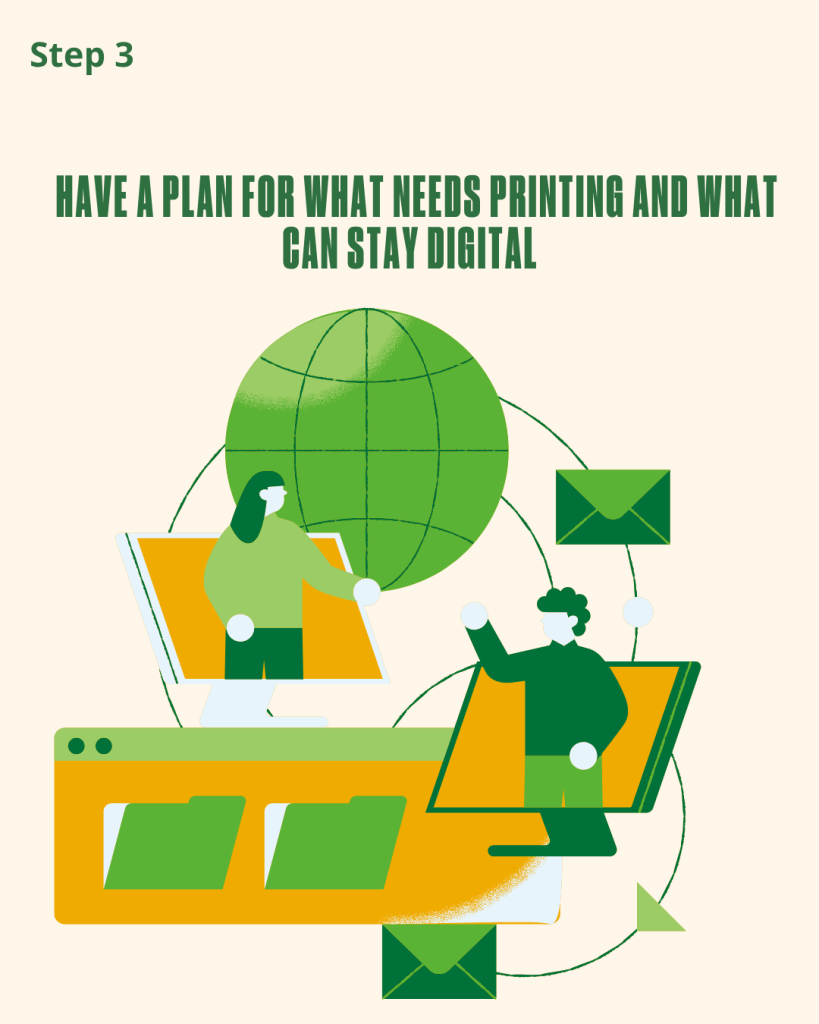
Step 4: Have a plan for what needs printing and what can stay digital
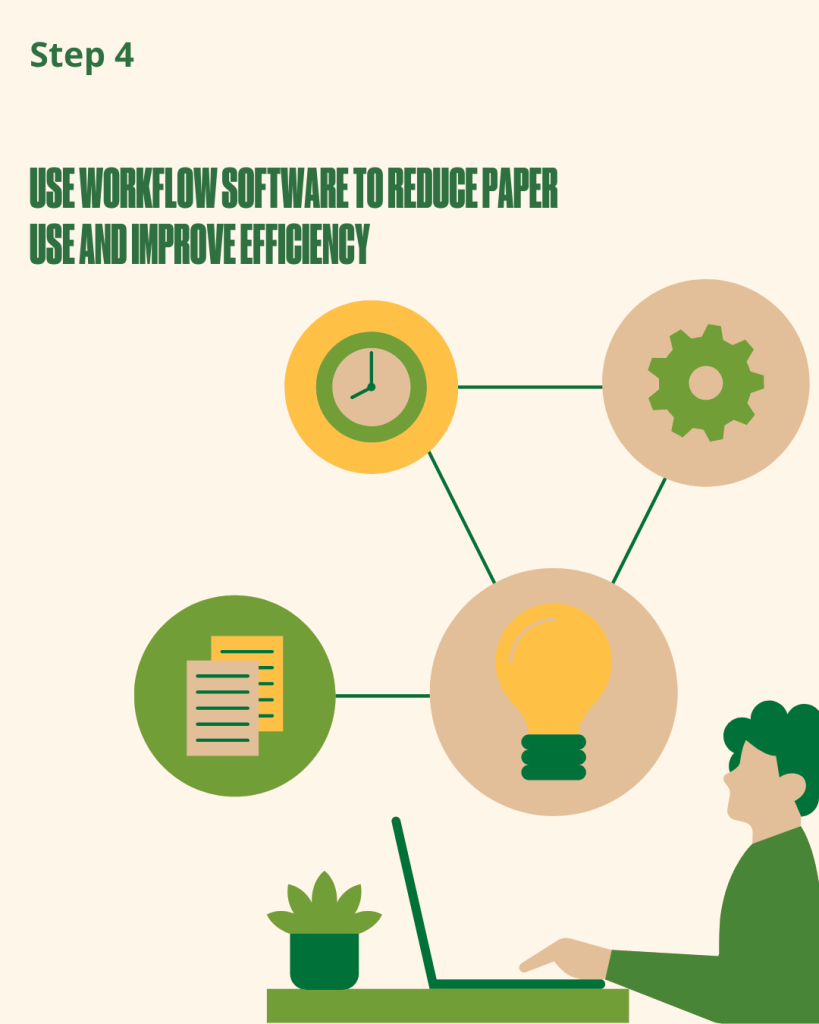
Step 5: Use workflow software to reduce paper use and improve efficiency